
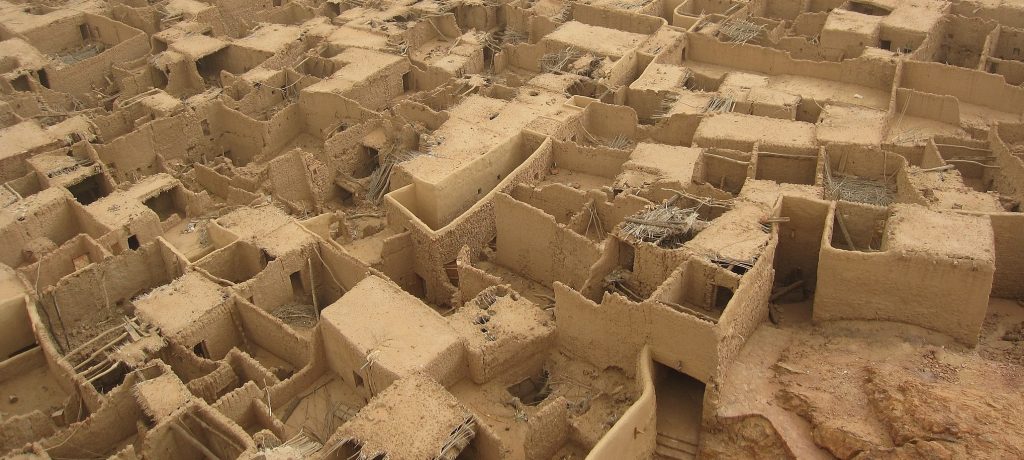
A remarkable piece of medieval history has been brought back to life. A 12th-century historic site that had been closed for restoration has now reopened to the public, thanks to the innovative use of 3D laser scanning services. By capturing highly detailed digital models of the structure, conservation teams were able to analyze structural damage, plan precise restorations, and preserve the authenticity of the centuries-old architecture. This project demonstrates how modern 3D scanning technology is revolutionizing historic preservation and cultural heritage restoration.
The Importance of Preserving 12th Century Architecture
Historic structures from the 12th century are invaluable cultural assets. These sites offer insights into medieval architecture, craftsmanship, and history. However, preserving such ancient structures presents major challenges, including:
- Structural deterioration over centuries
- Environmental damage
- Lack of original construction records
- Difficulty accessing fragile areas
Traditional measurement methods often fall short when dealing with delicate historical buildings. This is where 3D laser scanning technology provides a powerful solution.
How 3D Laser Scanning Works in Historic Restoration
3D laser scanning uses LiDAR-based technology to capture millions of precise data points from physical structures. These data points create an accurate digital twin of the building. Key steps in the scanning process include:
- High-Precision Data Capture – Laser scanners record millions of measurements per second, creating a detailed point cloud model of the historic site.
- Digital Reconstruction – The collected data is converted into 3D models, CAD drawings, and BIM models for restoration teams.
- Structural Analysis – Engineers analyze the models to identify cracks, deformation, and structural weaknesses.
- Restoration Planning – Architects use the models to design precise restoration plans while maintaining historical authenticity.
Role of 3D Laser Scanning in the Restoration Project
For this 12th-century site, 3D scanning played a critical role in multiple phases of the restoration process.
Accurate Documentation
The entire structure was scanned to create a complete digital archive, preserving the site’s condition before restoration.
Damage Detection
The scanning technology helped identify hidden structural issues that would have been difficult to detect manually.
Precise Restoration Work
Contractors used the 3D models to replicate original architectural details with extreme accuracy.
Long-Term Preservation
The digital model will serve as a reference for future maintenance and conservation efforts.
Benefits of Using 3D Laser Scanning for Historic Sites
Using 3D laser scanning services for heritage preservation provides several advantages:
✔ Non-invasive technology that protects fragile structures
✔ Highly accurate measurements and documentation
✔ Faster data collection compared to traditional surveys
✔ Improved restoration planning and collaboration
✔ Creation of permanent digital archives
These benefits make 3D scanning one of the most valuable tools in modern heritage conservation projects.
Reopening the Historic Landmark
After months of careful restoration supported by 3D scanning technology, the 12th-century landmark has finally reopened to visitors. The project not only restored the site’s structural integrity but also ensured its historical character remained intact. Visitors can now experience the site as it was centuries ago while benefiting from the protection and preservation enabled by modern technology.
The Future of Digital Heritage Preservation
As technology continues to evolve, 3D laser scanning will play an increasingly important role in protecting historical landmarks worldwide. From castles and cathedrals to archaeological ruins, digital documentation is helping safeguard cultural heritage for future generations. The successful reopening of this 12th-century site highlights how technology and history can work together to preserve the past while preparing for the future.’